

Photodynamic Therapy (PDT) with Levulan® (ALA) is a targeted treatment for severe sun damage on the face and stubborn acne that hasn’t responded to simpler options. At Skincare by Skin Spot in Chilliwack, British Columbia, we apply a topical prescription (ALA) then activate it with Blue Light (PDT) to address precancerous sun spots (actinic keratoses) and help clear acne, leaving skin smoother and healthier.
Physician-overseen protocol using Levulan® ALA + Blue Light
Targets severe sun damage / actinic keratoses and recalcitrant inflammatory acne
Two-step series designed for results (treat, then repeat in ~4 weeks)
Clear pre- & post-care with written instructions and check-ins
Comfortable, convenient clinic with weekday hours and parking
Photodynamic Therapy, or PDT, is a two-part treatment:
We apply Levulan® (aminolevulinic acid, ALA) to the skin and allow it to incubate for 15–60 minutes.
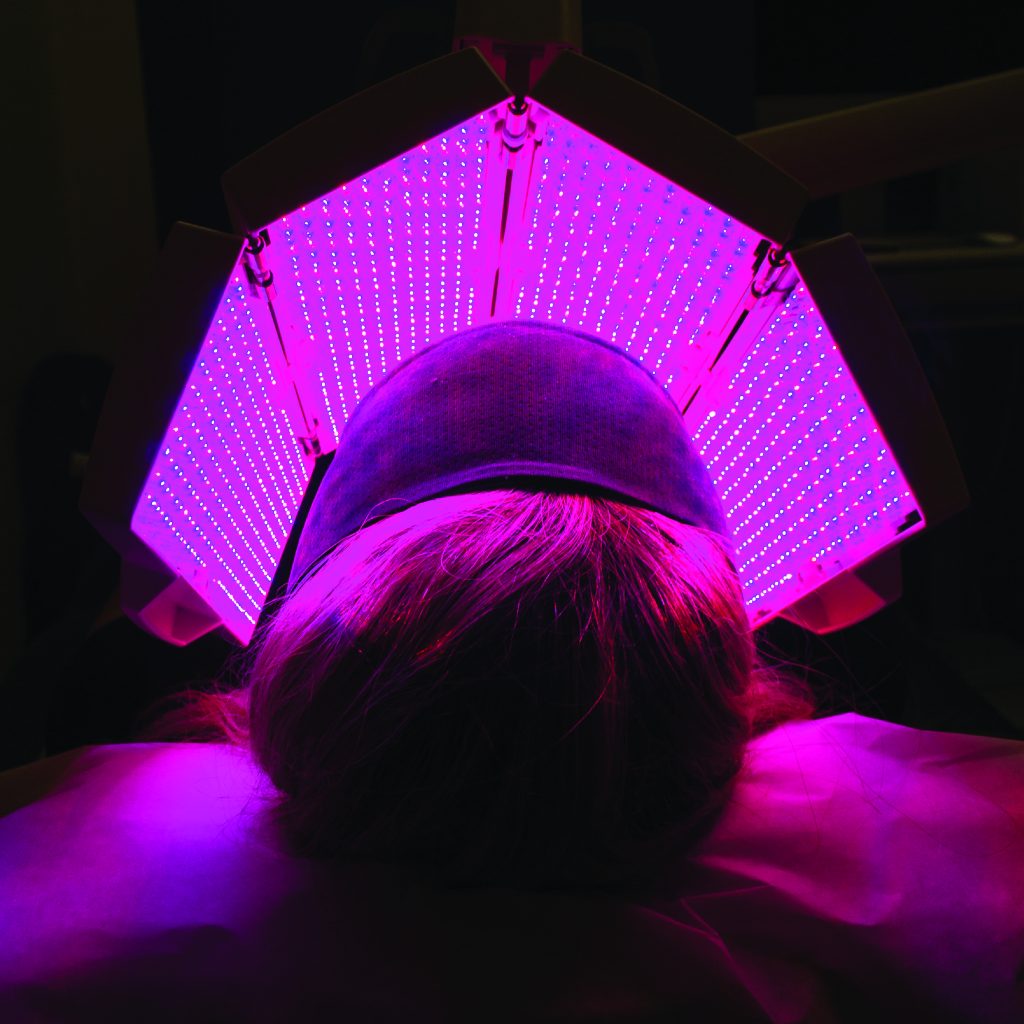
We then activate it with Blue Light (PDT).
For sun-damaged skin, the activated ALA selectively targets precancerous lesions (actinic keratoses). For acne, PDT helps kill acne-causing bacteria, exfoliate, and reduce oil-gland activity, which can also minimize the look of pores. Some patients notice improvement in the appearance of certain acne scars as skin renews.
Sensation: mild tingling/warmth during activation; most patients report little to no pain
Series: typically a 2-step course with ~4 weeks between sessions
Maintenance: many patients repeat every 12–18 months for sun-damage control
Severe sun damage / actinic keratoses on the face (and select other areas)
Acne that hasn’t responded to topical care or simple light/laser facials
Oily, acne-prone skin needing gland activity reduction and texture renewal
We’ll confirm candidacy at consultation and may stage PDT with LightStim LED, IPL (for background redness), or microneedling (for scars) when appropriate.
Consultation & skin mapping — history, medications, photosensitivity risks, and goals
Step 1: Levulan application — thin, even layer; 15–60 minutes incubation
Step 2: Blue Light activation — protective eyewear; brief, controlled illumination
Aftercare & protection — detailed instructions, soothing products, and strict sun avoidance
Visit length: ~45–60 minutes
Comfort: tingling or warmth; very few patients experience significant pain

PDT may not be suitable with photosensitizing medications or conditions, active infections/open lesions, recent tanning, or during pregnancy/breastfeeding (clinic guidance applies). We’ll screen carefully and tailor incubation times and exposure.
Common, temporary effects: redness, warmth, swelling, flaking/peeling, and brownish crusting on targeted spots. Avoid picking and follow the aftercare we provide.
We commonly plan a 2-step course with ~4 weeks between sessions. Depending on sun-damage severity or acne response, maintenance may be scheduled every 12–18 months.
Most patients feel tingling or warmth during activation. Very few report significant pain.
Expect 2–7 days of redness, sensitivity, and peeling/crusting over targeted sun-damage and acne-active areas. We provide a simple care plan.
PDT primarily targets active acne and oil glands. As skin renews, some patients notice improvement in the appearance of certain scars; for deeper scars, we may add microneedling later.
Very. After PDT your skin is photosensitized; avoid sun/bright light for 48–72 hours, wear SPF 30+, and follow our aftercare exactly.
We usually recommend waiting 24–48 hours, then using gentle, non-irritating products as flaking settles.